

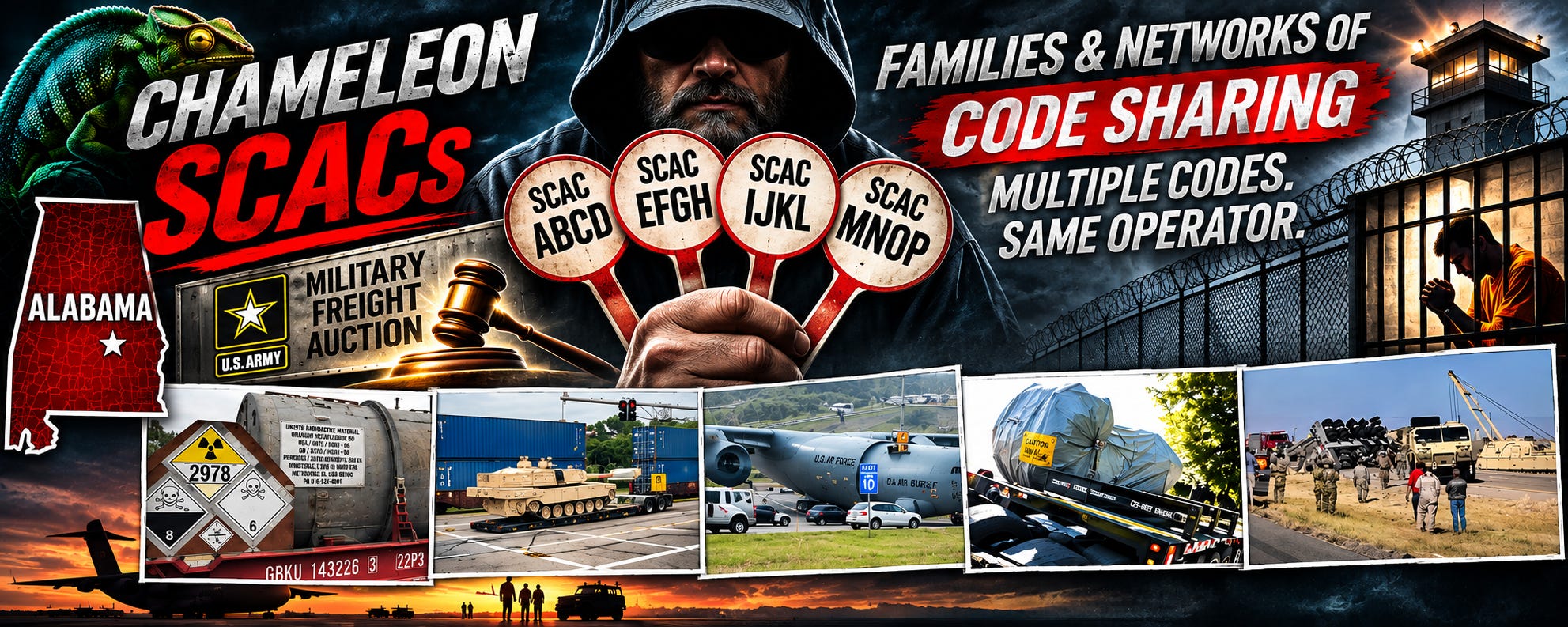
So you’ve watched my 60 Minutes, NBC, or CBS Sunday Morning undercover investigations or read my hundreds, if not thousands of articles and are now deeply familiar with Chameleon carriers and what we do at TeaTech to discover and hunt these groups down for the private sector and the government, but today, I’m introducing you to the new Rob-coined phrase, “Chameleon SCACs.”
One thing I’ve figured out is that freight investigations work in silos, and so does the data. Nobody checks who’s behind the codes that move the Pentagon’s freight. Every trucking company that hauls military freight bids under a four-letter code called a SCAC. The Army approves each code on its own and never checks whether two codes are the same people. When I matched them, 82 groups of related codes turned up; they won more than half of eight months of military loads, and some of those codes have a single truck, no trucks at all, or a convicted military freight briber in their state filings. The same codes open port gates, customs filings, and container yards, so the problem doesn’t stop at the base fence.
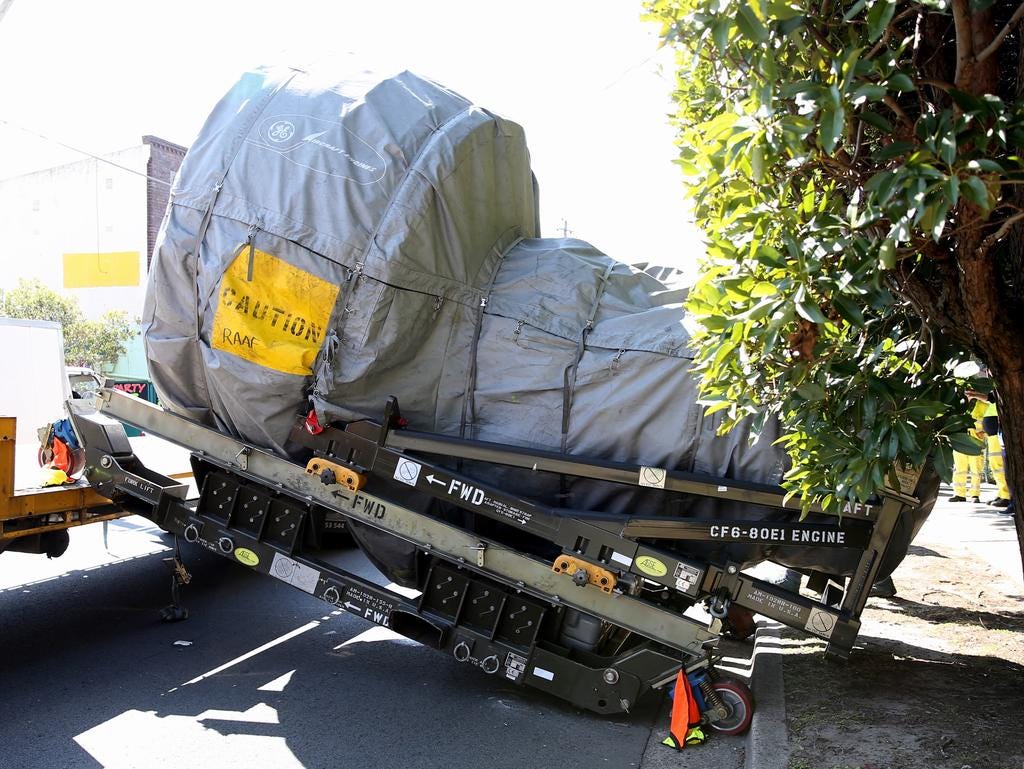
On Sept. 28, 2026, the Army’s freight system handed 24 military loads to a California trucking company that tells the federal government it owns one truck. Twenty-three of them left Beaver Falls, Pa., for Chaparral, N.M. Six minutes later the same afternoon, about 615,000 pounds of freight, or roughly 13 full trailers, headed more than 1,500 miles west. Over the next 26 days, the same company picked up 44 more loads in California, Pennsylvania, Massachusetts and Wisconsin. Add up the miles and it’s more than two and a half times what one truck can legally drive in that window. The company is CDS Transportation Inc. of Fontana. It shares an address, a phone number, an email and an officer with California Delivery Service, which declares 36 trucks and holds its own approved code. My read is that the loads rode on California Delivery Service trucks. The Army’s records can’t tell you because they show the code that won the load, not the truck that hauled it. So...the investigation continues.
The Army Transportation Command, called ARTRANS, decides which trucking companies can haul the Department of War’s freight inside the United States. A company that passes gets approved under a Standard Carrier Alpha Code, a four-letter ID issued by the National Motor Freight Traffic Association, much like a bank account number identifies who gets paid. When a base needs something moved, it posts the load in an online bid system called Global Freight Management, approved codes bid, and the system awards the load. The Department moves most of its domestic freight this way, on commercial trucks.
Think of it as an auction where every bidder holds a paddle. The Army checks each paddle holder at the door. It never checks whether the man holding paddle 12 is also holding paddles 13, 14, and 15. On the bid screen, four paddles look like four competitors. In the yard, it’s one outfit, one set of trucks, sometimes one truck.
Nobody has ever checked the paddles against each other. We compare DOT numbers against DOT numbers, and we even check entity data globally for convergence; no one has ever checked SCAC codes for convergence with other freight entities. Not the Army, not the NMFTA that issues the codes, and not the carrier vetting services sold to brokers and shippers. I built the check. At Tea Technologies, we took every code on five of the Army’s approved carrier lists, 1,079 of them, and matched each one against the federal carrier registry, the NMFTA code file, roadside inspection records and state business filings, looking for codes that share a DOT number, an owner, a phone, an email or an address. Then we laid that over eight months of military freight awards, March through early November 2026: 2,322 loads worth an estimated $11.76 million.
The check found 82 groups of related codes holding 253 approved codes. Those groups won 54% of the loads and 48% of the money. For layman supply chain folks, codes approved only as brokers, companies that arrange freight but own no trucks, won a third of the loads.
A shared code proves nothing, and most families look like what they are. Big carriers run their trucking and brokerage arms under separate codes, put “brokerage division” right in the name, and have done it the same way for decades. Mercer Transportation has held the same DOT number since 1977 with a carrier code and a brokerage code on it, and inspectors have seen more of its trucks on the road than it declares. That’s a family you can see.
I sort them with the same four questions I’ve used for years on chameleon carriers.
Identity: are the same people behind the code tomorrow the same people who were behind it yesterday?
Disclosure: can anybody see the relationship in the filings, or is it buried in a state record the federal government never reads?
Accountability: when one code gets in trouble, does it land on a parent that answers for all of them, or does a sibling keep bidding as if nothing happened?
Control: do the trucks hauling the freight belong to the company that won it, as declared in its numbers?
Legitimate families pass all four. The worst fail every one, and the industry has a name for that. The same people, new paper, chameleon carrier. At the Army’s bid screen, it’s a SCAC chameleon.
The data shows four warning signs.
The first is capacity that doesn’t add up. A company tells the government how many trucks it has, and nobody checks. CDS is the biggest case, not the only one. Supreme Expedited, which declares one truck, won 28 loads from nine military shipping offices in eight days in June. Haul Time Transportation, which declares one truck, has no roadside records and is registered to operate only within its own state, won 12 loads from five offices in a week. Leaving brokers out, a dozen codes won more loads on a single day than their own fleets could carry.
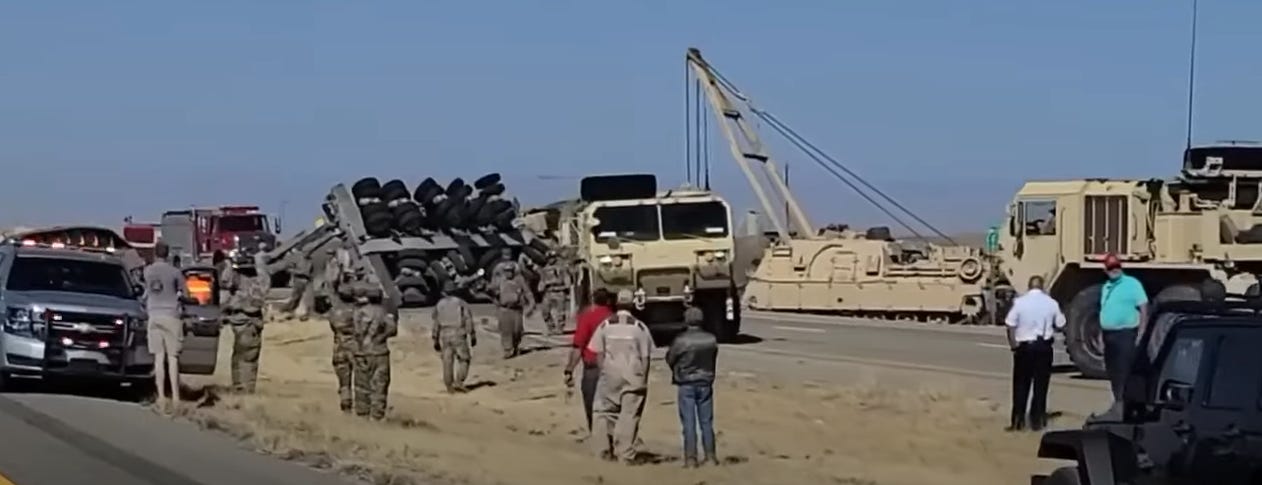
The second is trucks nobody approved. Sheridan Logistics of Brookwood, Ala., runs a real fleet, about 60 trucks seen by inspectors since 2024, and it isn’t on any of the Army’s approved lists I reviewed. Two related companies on the same road hold approved codes. This year inspectors stopped Sheridan Logistics trucks five times carrying freight for the Army Reserve, the Marine Corps, two Defense Logistics Agency depots and a Navy supply center. Somebody approved won those loads. A truck the Army never approved hauled them.
The third is brokers where brokers aren’t allowed. The Army’s own rules bar brokers from its most sensitive freight: shipments that move under Transportation Protective Service and its signature-and-tally tracking, where every person who touches the load signs for it. Only approved companies with their own trucks can move it. Turner Transport holds two codes on one federal registration, one approved as a carrier and one approved as a broker, and the broker code won 193 loads worth $1.26 million from a single military shipping office between July and October. Elsewhere, 11 codes at one office suite in Janesville, Wis., share one officer and one Gmail address, and 10 of them are approved as brokers. The award records I hold don’t include the codes that mark a load as protected, so I can’t tell you which of those loads were sensitive freight. Nobody else can either, and that’s the gap.
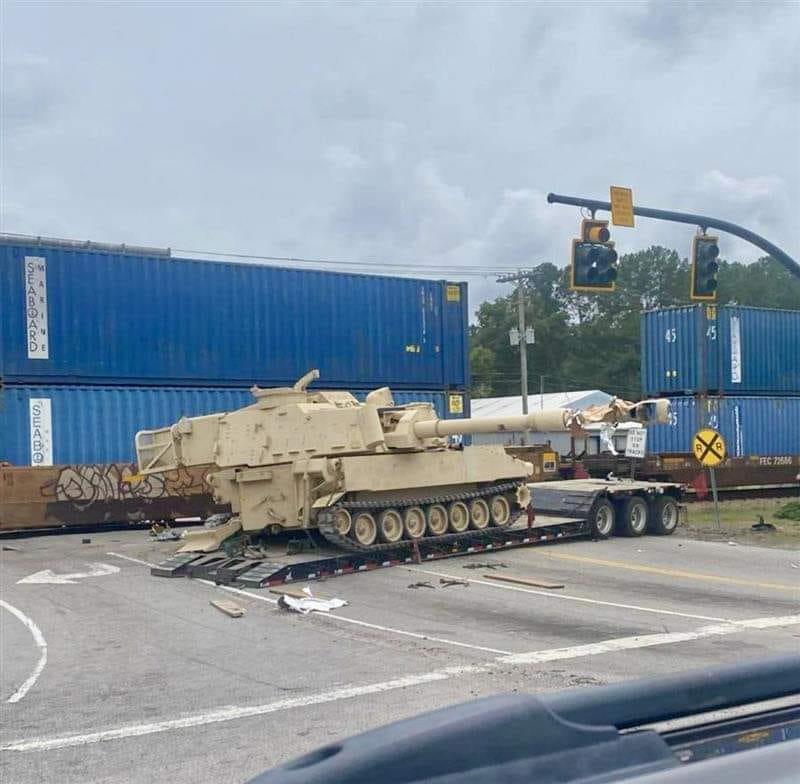
The fourth is how a family survives being cut. The approved list churns. Between July 17 and Oct. 19, 95 codes came off it and 65 went on, and in the two weeks after that 27 more came off and 18 went on. Of the 73 codes added since July, 33 had been on an earlier list, dropped off and come back. In 16 families, one code has fallen off the list while a sibling at the same address, phone, owner or DOT number is still approved today. The lists don’t say why a code was dropped, and the Army knows. The lists do show that removing a code doesn’t remove the people behind it.
One family in the data has been here before. We’ve written about them several times, here, here, and elsewhere.
In 2013, a federal judge in Norfolk sentenced Huffman Monk of Brookwood, Ala., to 63 months in prison for bribing a Coast Guard transportation officer to steer military freight to the twelve brokerages Monk ran from one office. The officer faked shipments, padded rates and overrode lower bidders. On Nov. 9, 2010, he created a $14,161.80 Coast Guard load that never existed and awarded it to one of Monk’s companies, and the government paid it the next day. Twelve paddles, one bidder.
This summer two approved codes tied to Monk won military loads again. North Carolina lists him as a member and the registered agent of Arafet Freight. Arafat Freight is actually “owned” by “Yasir Arafat,” yes, that name of the dead Palestinian leader from the 90s? A one-truck carrier whose truck hasn’t been seen at a roadside since August 2024, and whose code won 31 loads worth $128,150 from 15 shipping offices between June and September, including Tooele Army Depot and Naval Magazine Indian Island. Federal records list him as an officer of Marine Trucking, another one-truck carrier, which won seven loads in five days in June. In 2019, he filed the paperwork for a new freight company and gave his office address as the house the government took from him at sentencing. No federal law bars him from holding authority, his contracting ban expired with his supervised release, and the Army’s approval process never compares his name, phone or address against the codes it already approved.
The same codes work everywhere else freight moves. A trucking company needs a SCAC to pull a container out of a port because the Uniform Intermodal Interchange Agreement, which governs who can take equipment out of a terminal, requires one. Under that agreement, the company whose code is on the gate record stays responsible for the container and the chassis until they come back, damage, fees and insurance included. When several companies share a code, or one outfit bids under five, it becomes hard to know who’s on the hook for a missing chassis or a wrecked container, and the trucking company holding the code may not be the one that had the box. The code also goes on customs manifests for trucks crossing the border and on rail interchange records.
How do we know? We ran military freight during the Afghanistan and Iraq conflicts, and we pushed a lot of it out of Virginia International Gateway, which at the time was APM terminals in Portsmouth, VA, and Norfolk. We also pulled fuel, propane, etc. from pipelines and other terminals and delivered it to airports, etc. It’s just the process.
At many of those gates, workers check a card, not a person. A port truck driver carries a Transportation Worker Identification Credential, a federal ID with the driver’s fingerprints stored on the chip. Facilities outside the highest-risk group aren’t required to use electronic readers, so staff can check the card by eye, and the rule requiring electronic readers at the highest-risk facilities has been delayed again to May 8, 2029, for facilities that handle bulk dangerous cargo. At many gates, the security check comes down to whether the code on the paperwork matches an account and the card looks right. No one asks whether the code belongs to the people driving through. When I got to VIG in Portsmouth, I scanned the TWIC; the process asks for the SCAC. That SCAC ties a company to the equipment they’re renting or borrowing, whether it’s a chassis, a Maersk or APL container, a genset, a reefer, whatever. That’s then tied to their UIIA agreement, and that’s how the entire per diem, last free day, return dates, rental fees, etc are charged. It also manages liability and risk exposure for that equipment. The UIIA agreement and its participants require specific insurance and financial responsibility requirements.
The Department of War has already decided it can’t trust civilian infrastructure in a fight. In September, Secretary of War Pete Hegseth launched an initiative called FORTRESS to make major U.S. bases self-sufficient in power, water, and fuel, aiming for at least 90 days without outside resupply. Chief Pentagon spokesman Sean Parnell said it this way: “We don’t want to rely on standard civilian municipal infrastructure to run our national defense. We just simply can’t. It’s an intolerable risk.” Yet they’ll let freight run on emissions-hampered trucks and the worst actors in the civilian market.
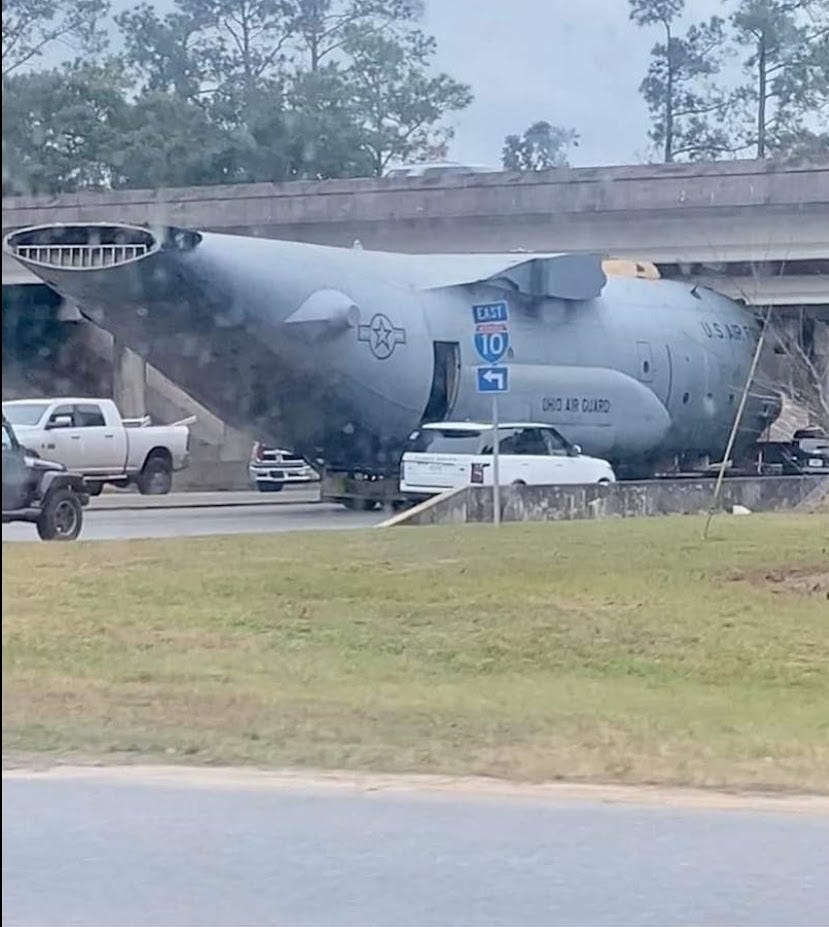
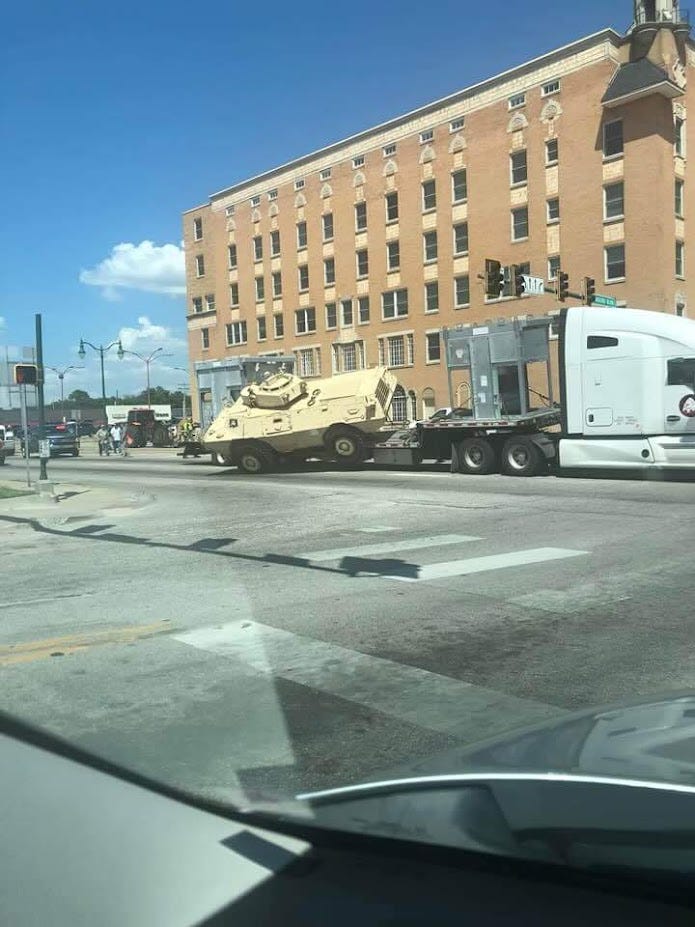
The base can run on its own for 90 days. It can’t sustain the freight that stocks it. It arrives on civilian trucks, and in inspection records from FMCSA via Tea Technologies in the teaintel platform, analyzed from February 2023 through January 2026, trucks on Defense Department and military bills of lading were taken out of service 20.55% of the time across 5,879 roadside inspections, compared with an 18.1% national vehicle rate at the 2025 CVSA International Roadcheck. On full Level I inspections, the deepest kind, 30.93% of military freight trucks failed. The shipper name “US ARMY” appeared on bills of lading carried by 251 different trucking companies across 306 inspections.
In a contested environment, the Department will count its available trucks by counting approved codes. If four codes are one company with one truck, that count is wrong by three trucks before the first load moves. If a code removed for cause comes back as a sibling, the removal never happened. If sensitive freight goes to a broker code that hands it to somebody else’s truck, the Department doesn’t know who has it between signatures. In a fight, that means not knowing what capacity it has or who’s carrying its freight when you need both.
I’ve spent this fall putting that in front of the people who own it, and last week I spoke at three sessions of the NDTA fall meeting with leaders from the Department of War, the Army, and DOT in the room, and sat down with the Deputy Assistant Secretary of War for Logistics alongside retired Maj. Gen. Ed Dorman, who chairs the NDTA task force where I serve as vice chair. She was shocked. The Pentagon’s ask was simple: boil it down and match each problem to a fix.
The fixes don’t need Congress. ARTRANS can put the DOT number, owners and address next to every approved code and check them against federal and state records when a code is approved and every time the list updates. They issued an RFI for a legitimate carrier vetting protocol. This should be included, which is why we added it. No one else does it. It can treat related codes as one company when counting capacity and deciding who can move protected freight. It can require the hauling truck’s DOT number and plate on every bill of lading and, for protected freight, require that the company that won the load haul it. It can log why every code leaves the list, so a cut company can’t walk back in under a sibling. Ports and terminals can run the same check on the codes at their gates. The data to do all of it is already public or already in the government’s hands.
The SCAC was supposed to tell the Department who had its freight. Right now it tells the Department which code to pay.
State of Corruption can be applied.