

My grandparents raised me on a farm. My grandfather was born in 1918. My grandmother, his daughter, in 1938. Neither of them would have ever considered beating the hell out of a Walmart cashier because their SNAP benefits had expired. That sentence alone tells you everything about how far we’ve fallen as a society in just one generation.
Here we are in October 2025, watching social media explode with threats of violence against grocery store workers and promises to loot Walmart if SNAP benefits don’t show up on time. Videos have gone viral, with millions of views, as people openly declare they’ll “walk out with carts” without paying, encourage others to “hold security back” so people can steal, and warn it’s going to “look like a purge.”
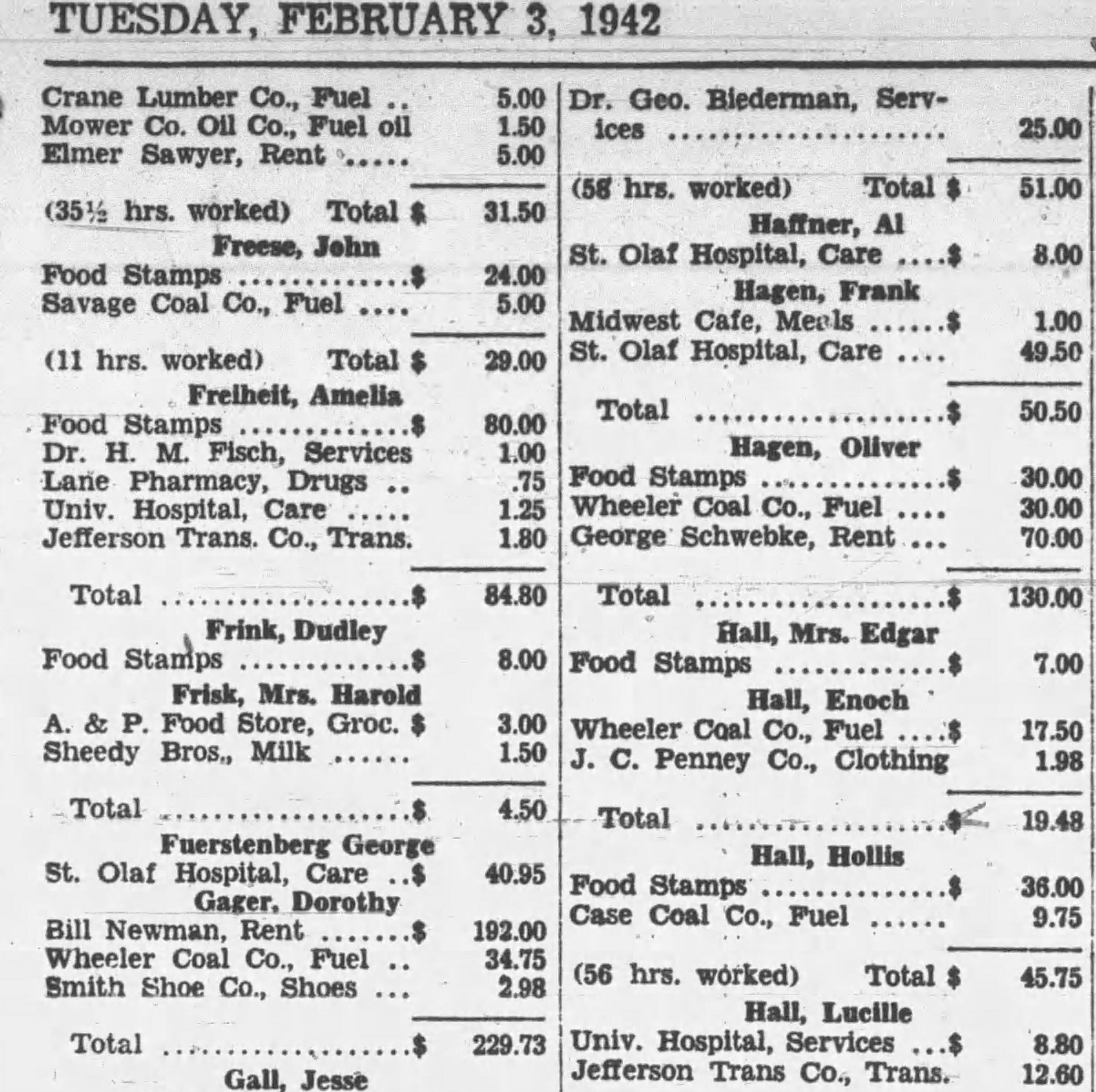
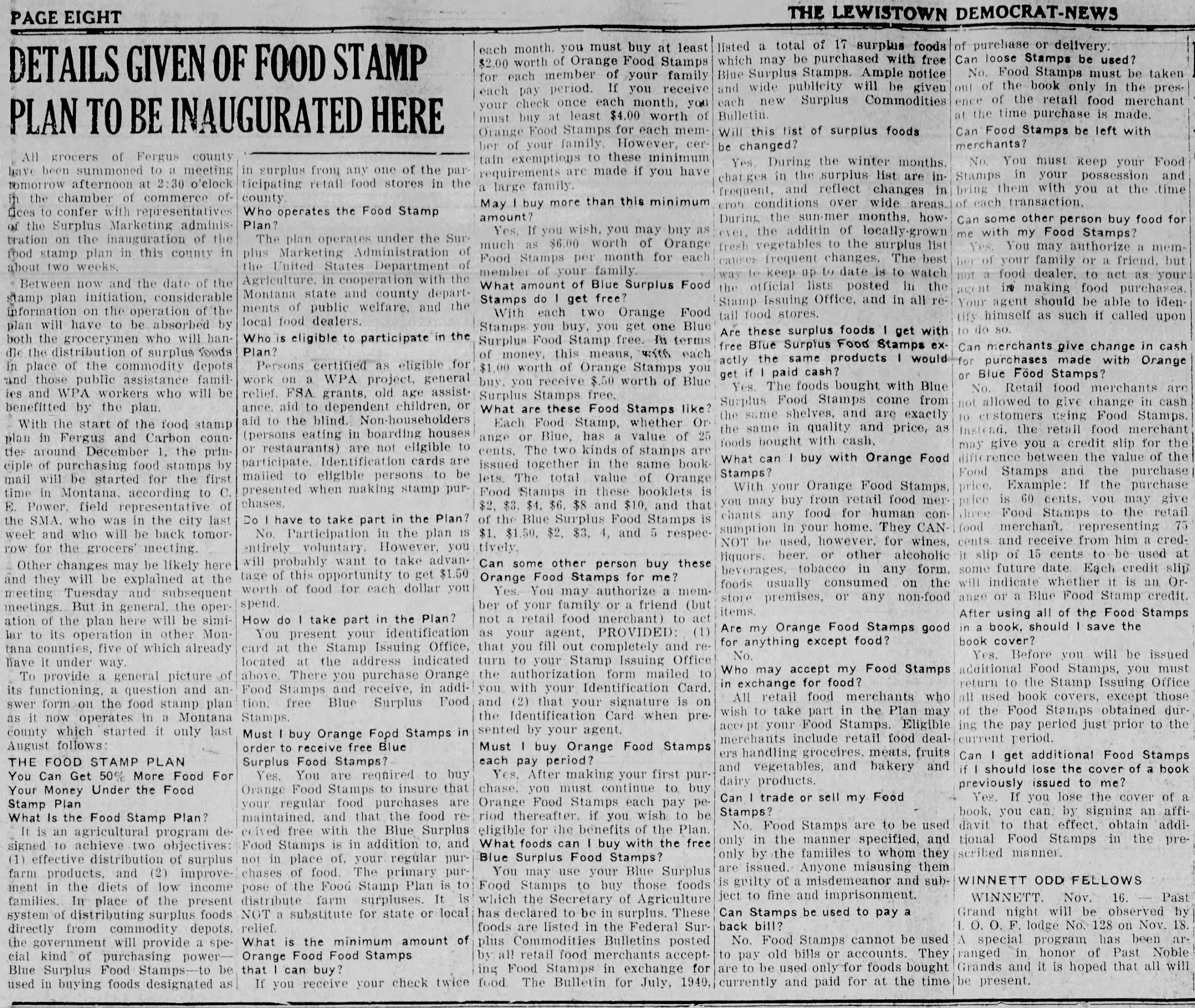
What’s crazy? If you got food stamps back in the day, they put your name in the paper. There was public accountability. If someone saw you getting your nails done every week, or with the newest iPhone, or Lexus, or your hair done, etc., there was public discussion on how you were able to do all these things, yet the public continued to support you.
This isn’t about hunger. This is about the complete erosion of self-reliance, personal responsibility, and faith in anything beyond government dependency.
The Outrage Society. When Your Party Color Tells You What to Feel
We live in an outrage society where our party color tells us what we should be outraged by, why, and when. It’s manufactured crisis after manufactured crisis, sensitizing society so deeply to perceived injustices that we’ve forgotten what it’s actually like to survive on our own without Big Daddy Government holding our hand.
The irony? Society and the private sector have always come through, even when the government doesn’t. But we’ve become so programmed to look to Washington for solutions that we’ve forgotten how to look in the mirror, to our neighbors, to our churches, or to our own two hands.
Research shows that Republicans donate between $60 and $160 more per year to charity than Democrats, with Republican counties reporting higher charitable contributions than Democratic-dominated counties. When asked about the efficacy of private charities versus government programs, 52% of Republicans describe the benefit as “large” compared to just 38% of Democrats. Yet somehow, Republicans are painted as the uncompassionate ones because they don’t believe in forced wealth redistribution through taxation.
The private sector, religious organizations, and community networks have always stepped up. During the Great Depression, churches were crucial providers of social services, but government expansion under the New Deal led to a dramatic decline in church charitable spending. Not because people became less compassionate, but because the government crowded out private charity.
The Historical Reality Nobody Wants to Acknowledge
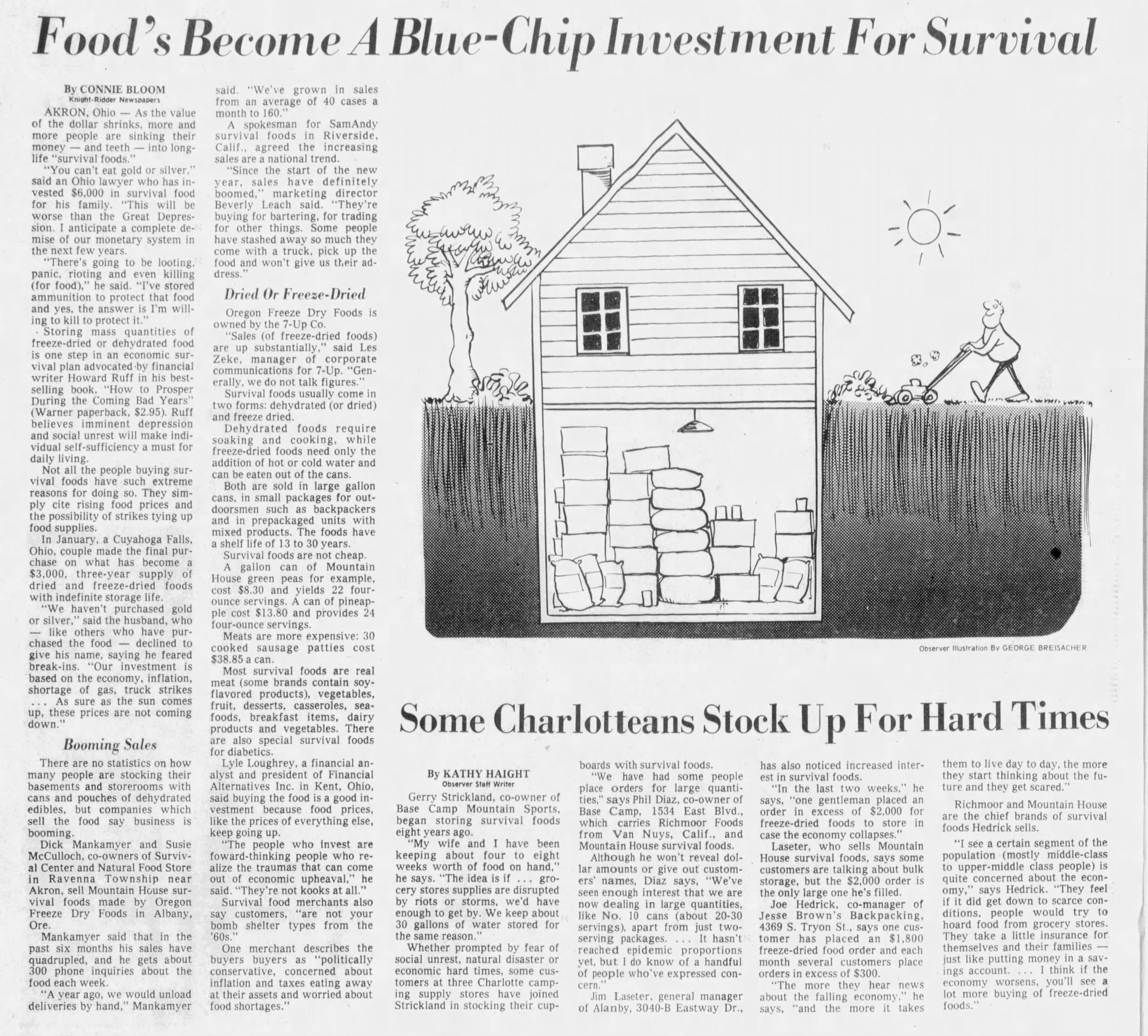
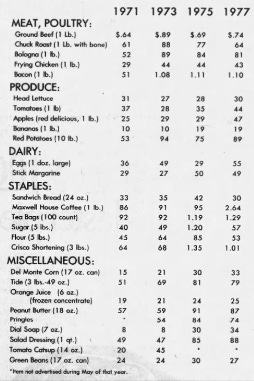
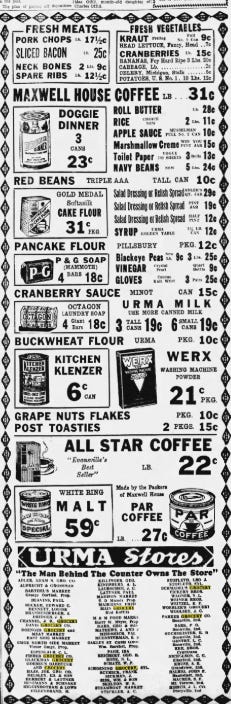
Here’s what people forget: prices have consistently increased. Always. You could buy a complete house from Sears for $2,500 and build it yourself as a kid. You could get $20 worth of gas at the Mary Jane bread thrift store and walk out with a free loaf of bread. Milk costs pennies per gallon. Meat was abundant and cheap.
Wages increased too. Logistics costs increased. The price of everything accommodated the new reality, and people adapted. They didn’t riot. They didn’t threaten violence. They got resourceful.
The difference? They never expected someone else to solve their problems.
The Minimum Wage Delusion
Everyone wanted $15 an hour. Then $20 an hour. They got it in many places. And then they acted shocked, genuinely shocked, when prices went up accordingly.
Did they think truck drivers would work for the same pay while minimum wage doubled? Did they think the cost of logistics would somehow stay frozen in time? When wages increase, prices increase. It’s not a conspiracy. It’s mathematics.
Look at the 2020-2021 transition. Biden’s press office was celebrating saving 16 cents on a hot-dog package for the Fourth of July. Not six months later, butter hit $6 a pound. Eggs became outrageous. Milk skyrocketed. Thousands of percentage points of increase, almost overnight.
People are more focused on price increases under Trump, when inflation has actually gone down and many prices have decreased, than they were under Biden, when costs exploded.
How We Used to Survive
I grew up on a farm. We raised cattle and hogs. We grew our own food. But even when we didn’t, even when times were lean, there was a process. A mentality.
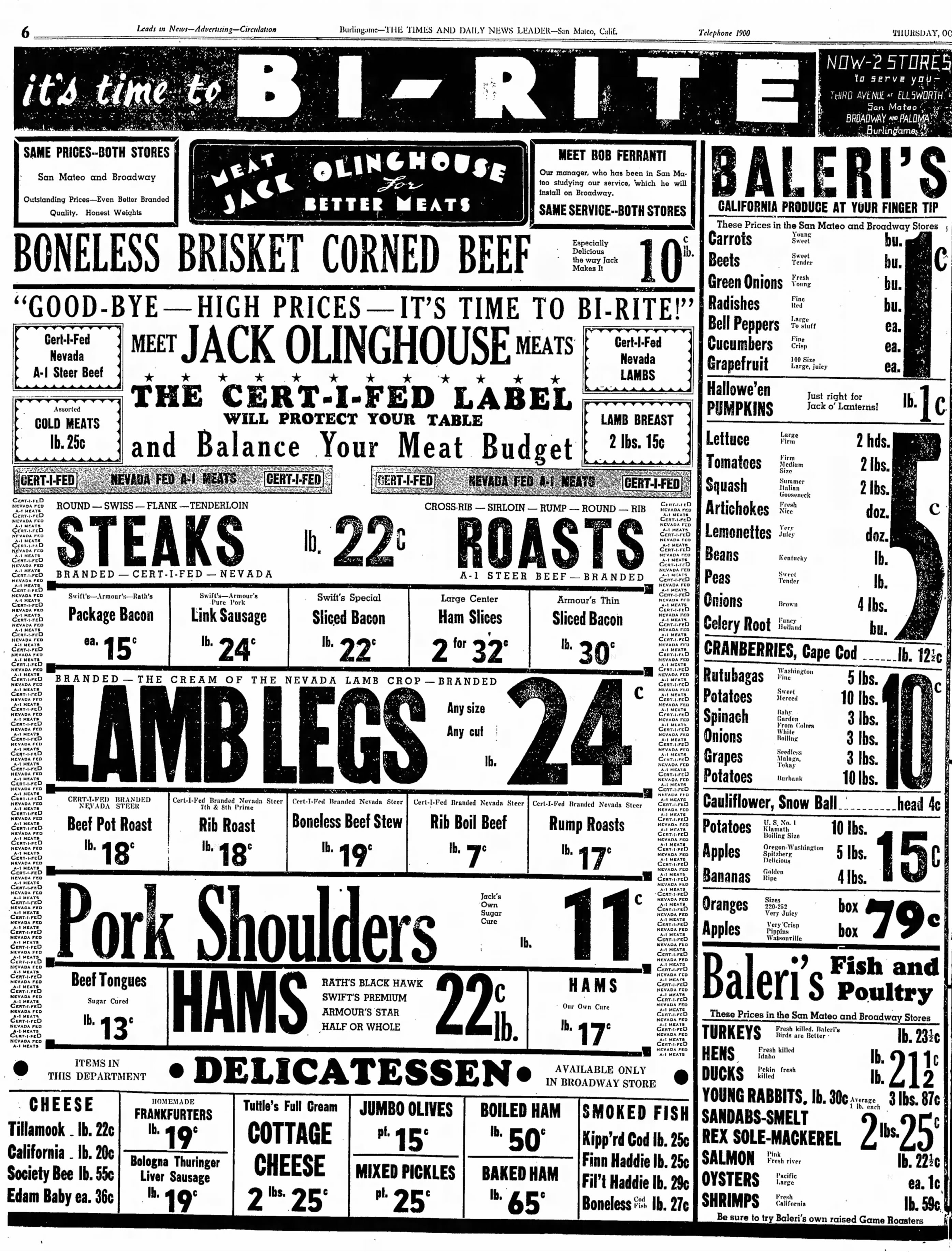
You went to the store and bought:
10 or 15 pounds of potatoes
10 or 15 pounds of rice
Ground meat, whichever was cheapest, sometimes no meat.
Tuna fish, canned chicken.
Vienna Sausages and potted meat
Ramen noodles
Knorr noodle and rice packets
Eggs. A lot of eggs.
Bread. Flour. Cornmeal.
You made it work. Period.
If money was tight, you found a second job. You delivered newspapers. You scrapped metal. You did whatever it took. And we have more opportunities now than ever, the gig economy pays far more than scrapping metal ever did. Yet somehow, the mentality has shifted from “I will find a way” to “someone should take care of this for me.”
What Really Changed? Faith
Here’s what I think has really changed, and it’s not just economics or politics. It’s faith.
Before 1990, Americans had experienced real hardship. The Depression. Wars. Real third-world problems on American soil. My grandfather’s generation saw unemployment hit 25% nationwide during the Great Depression. They experienced interest rates far higher than we’ve ever seen. They knew what it meant to have no food, no prospects, no safety net.
Yet research shows that in the early Depression era, most Americans, believing firmly in self-reliance, were initially relatively passive and focused on surviving.” They didn’t immediately riot or demand government intervention. Why? Because they had faith that God would provide, not the government. More than that, they knew in their bones that they could survive, that they would survive, and that they would make it work.
Church attendance in the 1950s and 1960s was nearly 70%. Religious affiliation was above 90% through 2000. Fast forward to today: church membership has fallen below 50% for the first time since Gallup started tracking it in 1937. Weekly church attendance dropped from 42% in 2000 to just 30% in 2023. Among 18-29 year-olds, eight times as many never prayed in 2014 as in the early 1980s.
The LDS Church during the Great Depression established welfare principles stating their “primary purpose was to set up, in so far as it might be possible, a system under which the curse of idleness would be done away with, the evils of a dole abolished, and independence, industry, thrift and self respect be once more established.” They declared, “Work is to be re-enthroned as the ruling principle of the lives of our Church membership.”
That was during the worst economic crisis in American history. Churches grew during the Depression, the Assemblies of God nearly quadrupled their number of churches between 1926 and 1936. Why? Because when times got hard, people turned to faith, community, and self-reliance. They didn’t turn to government dependency and threats of violence.
Now we live in a different place. A different world. Where faith has become an afterthought. Where self-sustainment and provision are no longer an option in many people’s minds. Where someone must pay for me to live and survive and for the decisions I have made that got me to the position of need that I now find myself in.
That mentality is defeatist. It’s gotten insane. And it represents a fundamental shift in the American character that happened in just one generation.
When you lose faith, whether in God, in yourself, or in your ability to overcome, you become dependent. When you become dependent, you become entitled. When you become entitled and that entitlement is threatened, you become dangerous.
The Feed-the-Bear Problem
That’s what this is. We’ve created a feed-the-bear situation in which government programs have sustained people for so long that they expect them to continue. They don’t just appreciate the safety net; they demand it as an entitlement. And when it’s threatened, they threaten violence.
In October 2025, as SNAP benefits faced potential delays due to a government shutdown affecting 42 million Americans, social media exploded with threats. One viral video showed a person declaring: “I’ma tell y’all straight up like this, I just got that text that the link is definitely cut the fk off for November. Y’all better stay the fk out of my way in these stores because I’m walking out with carts and I’m not paying for s**t.”
Another stated: “You know what? Since they wanna take food stamps away, I’m gonna go to fking Walmart, grab anything I damn want, put that st right in the basket and walk right up out that b**h … I’m not paying for a damn thing.”
These aren’t isolated incidents. An entire social media account has been dedicated to tracking these threats. Videos have received millions of views. People are literally warning that grocery store employees will be “beaten up if they don’t let people steal.”
This is what happens when dependency replaces self-reliance, when entitlement replaces gratitude, when government becomes God.
Here’s what these people threatening violence are ignoring:
Every church I’m aware of has a food bank. Most are overflowing with food.
Food banks exist across this country. They’re accessible. They’re generous.
Agricultural programs exist. I go to Scott Farms every year and collect about 100,000 pounds of food to feed those in need. Farmers, growers, ranchers they give generously every year.
We already have massive welfare programs: SNAP, WIC, Medicaid, Medicare. We’re not some ruthless capitalist society that abandons people. We provide more assistance than most nations on earth. None of that matters if the mentality is “the government owes me” instead of “I need to be resourceful.”
We have more access to information now than any generation in human history. You can find food banks with a Google search. You can find churches with pantries. You can learn new skills online for free. You can access the gig economy from your phone. Yet instead of using these tools to become more self-sufficient, people use them to organize raids on grocery stores.
What Needs to Change
We need to get back to a hunter-gatherer mentality. Not literally, but the mindset that we are responsible for our own survival. That resourcefulness is a virtue. Those skills matter.
When prices increase or benefits run out, the response should be:
“I need to find a second job.”
“I need to visit a food bank.”
“I need to learn a new skill.”
“I need to be more careful with my spending.”
Not:
“I’m going to rob a Kroger.”
“The government betrayed me.”
“Someone else needs to fix this.”
Republican Generosity
Republicans dramatically outgive Democrats in actual charitable giving.
Republicans and conservatives donate between $60 and $160 more per year to charity than Democrats and liberals, even when accounting for socioeconomic differences. Counties that are “overwhelmingly Republican” report higher charitable contributions than Democratic-dominated counties.
When asked whether society benefits from charitable donations, 52% of Republicans describe the benefit as “large” compared to just 38% of Democrats. While Republicans and Independents prefer private philanthropy over government assistance by more than 2:1, Democrats pick government over philanthropy by 51% to 31%.
The difference is the belief system. One side believes in empowering people to help themselves and providing a hand up through voluntary charity. The other believes in permanent dependency, disguised as compassion, and in forcing everyone else to pay for it through taxation.
Private charity doesn’t come with the strings, bureaucracy, or entitlement mentality that government programs create. When your church helps you, you feel gratitude and want to give back. When the government sends you a check, you feel entitled to more. Which system do you think creates better outcomes for human dignity and self-respect?
The Spending Priority Problem
Stop buying the Nikes. Stop buying the new Apple phone. Stop making impulse purchases you can’t afford. Start saving money. Start building skills. Start being resourceful.
That way, when things really hit the fan, you’re not dependent on a government check or threatening to assault grocery store workers. You have the skills, knowledge, resources, and savings to keep yourself and your family alive, fed, and housed.
The One-Generation Collapse
How did we go from a society where everyone born before 1990 was resourceful, skilled, and had a make-it-happen mentality, to a culture that expects someone else to take care of them?
One generation. That’s all it took.
In the early Depression era, Americans experienced 25% unemployment, a 60% drop in crop prices, and the Dust Bowl, which destroyed hundreds of thousands of farms. They scavenged for food and coal. They built “Hoovervilles” out of scraps. And their response was to “hang on”, to survive through resourcefulness and faith that things would get better.
Church membership remained at 70% or higher from 1937 through 1976. Religious Americans who attended church regularly made up the vast majority of the population. These institutions taught self-reliance, community support, and personal responsibility.
Starting in 1985, but especially in the 1990s, something shifted. The decline in religious commitment accelerated dramatically between the early 2000s and 2014. Church attendance dropped, particularly among young people. Nearly a third of Millennials became secular not just in religious affiliation, but also in belief in God, religiosity, and religious service attendance.
By 2018-2020, church membership had fallen to just 49%, below the majority for the first time in recorded American history. What filled that void? Government dependency. Entitlement mentality. The belief that someone else, specifically taxpayers and government bureaucrats, owes you a living.
My grandfather’s generation survived the Depression. They fought World War II. They built this country into an economic powerhouse. And they did it with resourcefulness, grit, and personal responsibility, anchored by faith that they would prevail. Now we have people threatening violence over potentially delayed SNAP benefits while carrying $1,000 smartphones and wearing designer clothes, posting their threats on social media for millions to see.
The collapse happened in one generation because we stopped teaching the values that built this country. We stopped going to church. We stopped believing in personal responsibility. We stopped having faith in anything beyond government checks.
It’s not up to taxpayers to feed you indefinitely. It’s not up to the government to solve every problem in your life. Yes, safety nets should exist for genuine emergencies. Yes, we should have compassion for those truly unable to work. Yes, we should have programs for temporary assistance.
We cannot continue this trajectory: an entire generation expecting permanent care, resourcefulness replaced by entitlement, a response to difficulty that is violence rather than adaptation, and faith in anything beyond government having evaporated.
The government may not always be able to provide the benefits it currently does. When that day comes, and it will, you need to be skilled enough, resourceful enough, faithful enough, and mentally prepared enough to survive on your own merit.
That’s what adults do, that’s what functional societies require. And that’s what Americans used to know in their bones before we decided to outsource our survival to government bureaucrats and replace faith with dependency.
My grandfather knew he would survive because he had faith in God, in himself, in his community, and in the American spirit of self-reliance. He didn’t need a government check to tell him he had value. He didn’t need a politician to promise him security. He had something far more powerful: the certainty that he could make it work, no matter what.
That certainty came from faith, from skill, from community, and from the knowledge that hardship builds character rather than destroys it. We need to remember that before it’s too late. When faith dies, dependency follows. When dependency becomes expectation, entitlement follows. And when entitlement is threatened, violence follows.
We’re watching it happen in real-time. The question is: will we wake up and remember what made us strong, or will we continue this slide into permanent dependency until the whole system collapses under the weight of people who forgot how to survive?
It’s time to remember.
I would argue wages haven't kept up with anything, especially for drivers, but otherwise spot on; we've lost our sense of spiritedness, and this is why I reject certain aesthetic and regulatory developments because they arose in the absence of that sense which I still retain.